

Steel Construction Trends Shaping 2026


The steel construction industry continues to evolve rapidly, and 2026 is shaping up to be a year driven by innovation, efficiency, and smarter building practices. As commercial and industrial projects become larger and more demanding, structural steel remains at the center of modern construction.
From automation and advanced fabrication technology to sustainability and faster project timelines, the future of steel construction is focused on precision, performance, and adaptability.
At Tresman Steel Industries Ltd., staying ahead of industry trends means investing in the equipment, technology, and processes that help projects move forward efficiently and successfully.
Increased Use of Automation and CNC Technology
Automation continues to transform steel fabrication facilities across North America. CNC machinery, automated cutting systems, robotic welding, and advanced drilling equipment are improving both speed and precision.
Benefits of automation include:
Faster production timelines
Improved consistency and accuracy
Reduced material waste
Better quality control
As projects grow more complex, advanced fabrication technology allows steel companies to meet tighter schedules without sacrificing quality.
Sustainability Is Becoming a Major Priority
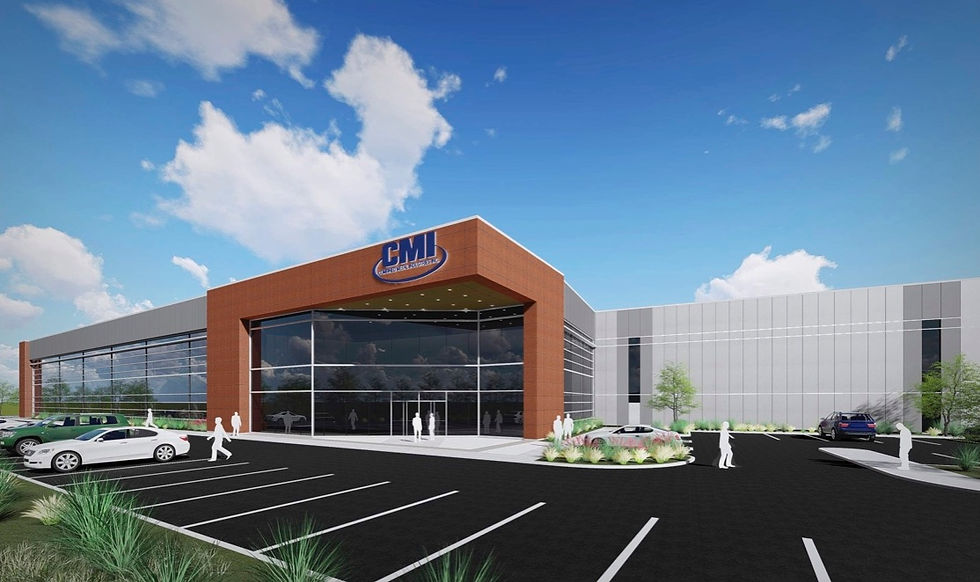
Sustainable construction continues to shape the future of the industry. Steel remains one of the most recyclable building materials in the world, making it a strong choice for environmentally conscious projects.
In 2026, more developers and contractors are prioritizing:
LEED-focused construction
Recycled materials
Reduced job site waste
Long-term building durability and efficiency
Structural steel supports these goals while maintaining the strength and flexibility needed for large commercial and industrial projects.
Faster Project Timelines Through Prefabrication
Prefabrication continues to gain momentum as construction teams look for ways to improve efficiency and reduce on-site delays.
Fabricating steel components in a controlled shop environment allows for:
Better quality assurance
Reduced weather-related delays
Faster installation on site
Improved project coordination
This approach helps keep projects on schedule while improving overall productivity.
Technology Driven Project Coordination

Modern steel construction relies heavily on digital coordination tools and 3D modeling software. Advanced detailing systems help improve communication between engineers, fabricators, and installers.
This level of coordination helps:
Reduce errors before fabrication begins
Improve fit-up during installation
Minimize costly rework on site
Streamline project timelines
Technology is helping steel projects become more efficient from concept to completion.
Growing Demand for Industrial and Commercial Development
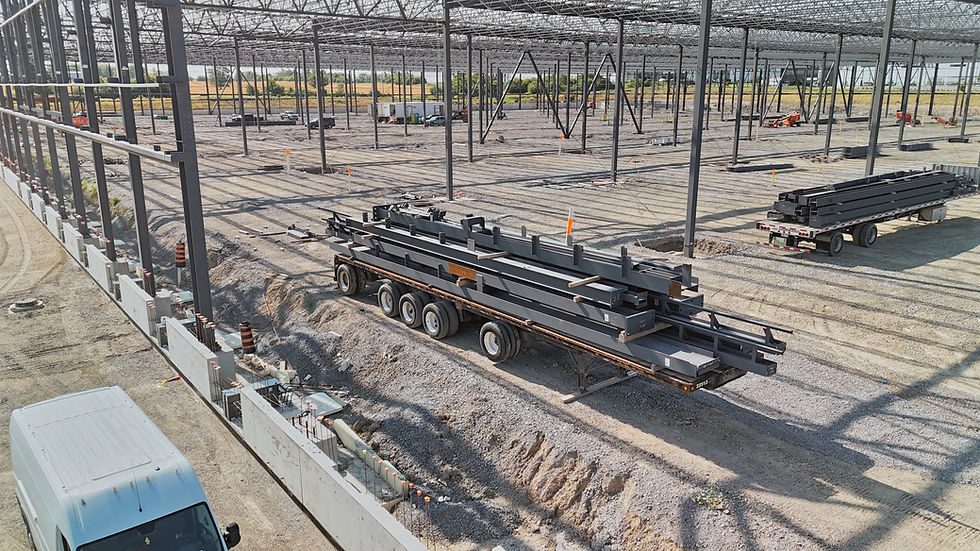
Across Ontario and throughout Canada, industrial development continues to expand. Warehouses, manufacturing facilities, distribution centers, and commercial developments are driving increased demand for structural steel fabrication.
Steel remains the preferred material because of its:
Strength and scalability
Long spans and open layouts
Speed of construction
Long-term durability
As demand grows, experienced fabrication companies play a critical role in helping projects move forward successfully.
Looking Ahead
The future of steel construction in 2026 is centered around smarter technology, stronger coordination, sustainable building practices, and increased efficiency. Companies that embrace innovation while maintaining quality and reliability will continue to lead the industry forward.
At Tresman Steel Industries Ltd., modern fabrication processes, advanced equipment, and decades of experience continue to support commercial and industrial projects across Ontario.

Comments