

Understanding Steel Connections: Bolts, Welds, and Plates

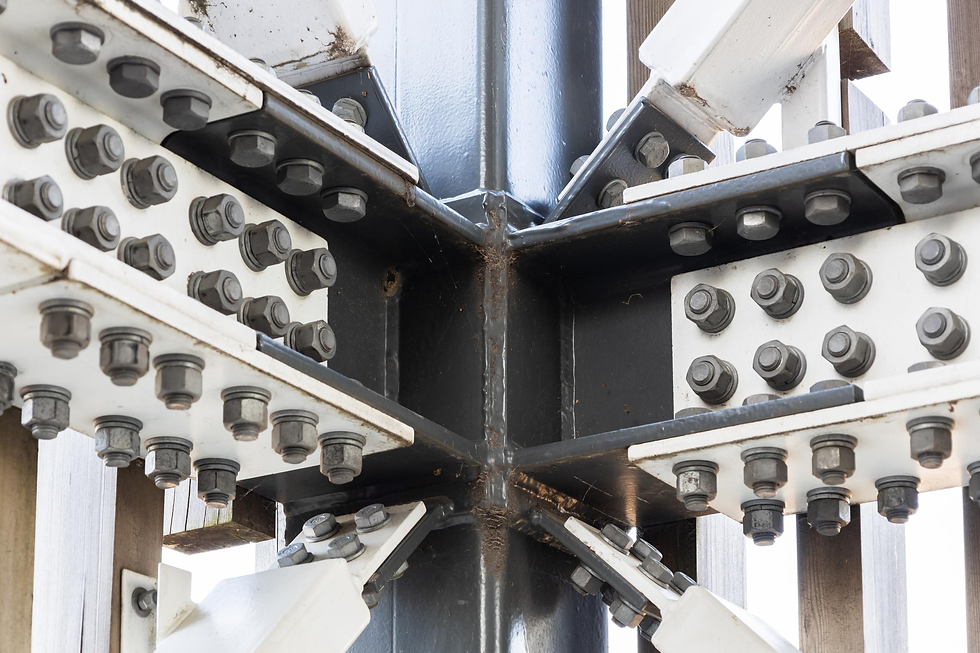
When people look at a completed steel structure, they often focus on the size of the beams and columns. What is not always visible—but is absolutely critical—is how those pieces are connected. Steel connections are the backbone of every structure, transferring loads and ensuring everything works together as one unified system.
At Tresman Steel Industries Ltd., precision in these connections is a top priority. Every bolt, weld, and plate plays a role in the overall strength, safety, and longevity of the structure.
Why Steel Connections Matter
Steel connections are where structural members meet, and they are responsible for transferring forces such as tension, compression, and shear throughout the building.
A properly designed and executed connection ensures:
Structural stability under load
Long-term durability
Resistance to movement and vibration
Safety during and after construction
Even the strongest steel beam can fail if the connection holding it is not properly engineered or installed. That is why attention to detail at every stage—from design to installation—is essential.
Bolted Connections: Strength and Efficiency

Bolted connections are one of the most common methods used in structural steel. They involve high-strength bolts that fasten steel members together, often through connection plates.
Key Advantages:
Quick and efficient installation on site
Consistent and reliable performance
Easier inspection and maintenance
Ideal for large-scale structural assemblies
These bolts are carefully tightened to specific torque requirements to ensure they perform under load. Accuracy during installation is critical, as even slight deviations can affect performance.
Welded Connections: Precision and Continuity

Welding fuses steel components together, creating a continuous connection that behaves as a single piece. This method is often used in fabrication shops or in situations where a clean, seamless connection is required.
Key Advantages:
Strong, rigid connections
Smooth and clean appearance
Ideal for complex or custom designs
Eliminates the need for additional hardware
Weld quality is crucial. Certified welders follow strict procedures to ensure each weld meets structural standards and performs as intended in real-world conditions.
Steel Plates: The Hidden Support System

Steel plates are used to connect, reinforce, and distribute loads between structural elements. They come in many forms, including gusset plates, base plates, and splice plates.
Common Uses:
Joining beams to columns
Anchoring steel to concrete foundations
Reinforcing high-stress areas
Distributing loads across connections
Though often hidden within the structure, plates are essential for ensuring forces are properly transferred and balanced.
The Importance of Precision
Every steel connection is designed with exact specifications. From hole placement in plates to weld size and bolt tension, precision is what ensures everything fits and performs correctly.
At Tresman Steel Industries Ltd., advanced detailing software and fabrication equipment are used to maintain accuracy at every stage. This level of precision helps prevent delays on site and ensures seamless installation.
From Shop to Site: Execution Matters
Steel connections are not just designed—they are executed through a combination of skilled fabrication and coordinated installation. This includes:
Accurate shop drawings and detailing
Controlled fabrication processes
Quality checks and inspections
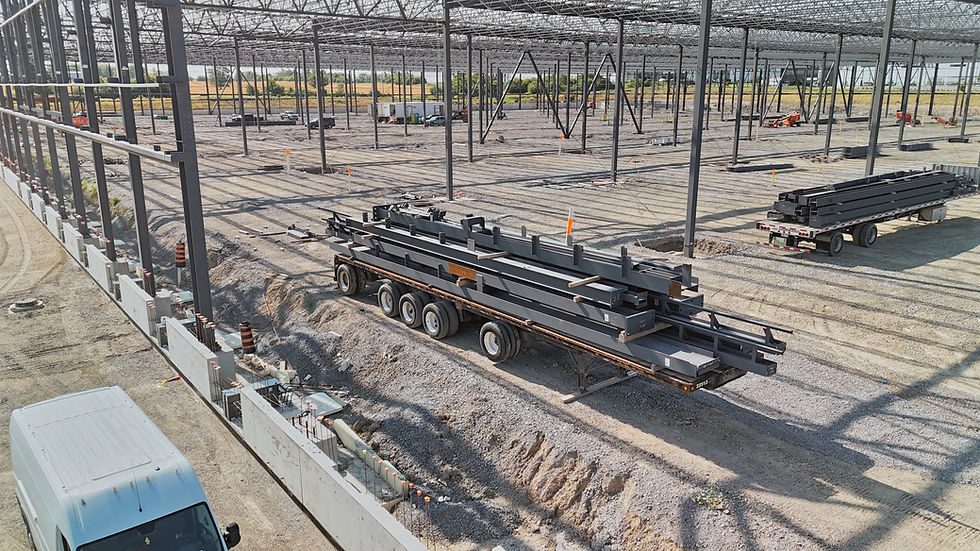
Coordinated delivery and erection
When all these elements come together, the result is a structure built with confidence and reliability.
Built on Strong Connections
Steel connections may not always be visible, but they are one of the most important components of any structure. Bolts, welds, and plates each play a unique role in ensuring strength, stability, and performance.
At Tresman Steel Industries Ltd., it is not just about fabricating steel—it is about getting every detail right. Because in construction, the smallest components often make the biggest difference.
Need help with your next steel project?
Work with a team that understands every detail from connection design to final installation. Reach out today to learn how Tresman Steel can support your next build.


Comments